
Saturday, October 15, 2016
Walking 30-60 mins a day greatly reduces your risk of heart disease, cancer, stroke, diabetes.


Friday, October 14, 2016
What is a neurological condition?
BrainSpineFoundation
@brainspine
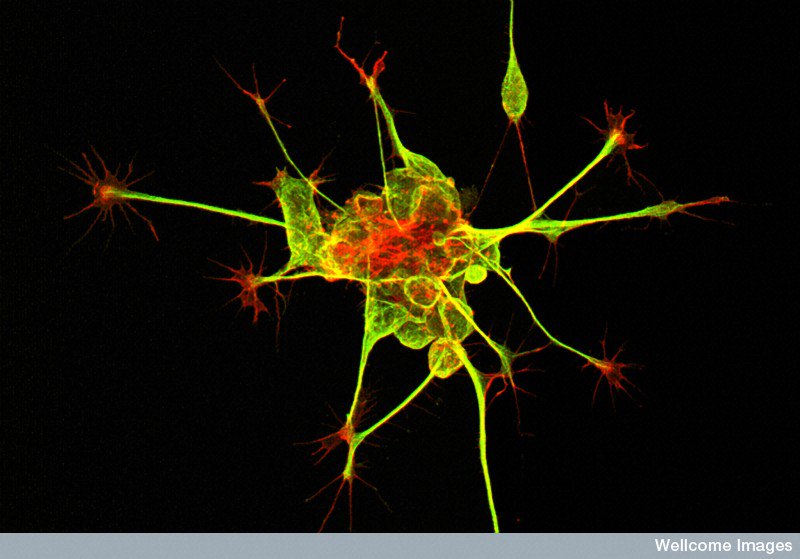
What is a #neurological condition? Find out here! http://www.brainandspine.org.uk/what-neurological-condition … Have questions? Get in touch with our Helpline.
BrainSpineFoundationVerified account
@brainspine
The only UK wide
charity providing support on the full range of brain & spine
conditions. We have a free helpline run by neuroscience nurses: call
0808 808 1000
London, UK
Joined July 2009
 BrainSpineFoundation
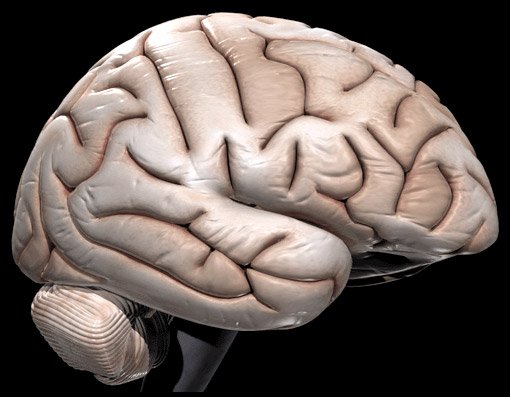
Drug to reverse symptoms/disability
This MS drug could reverse some physical disabilities. http://bit.ly/2d9Rq0X
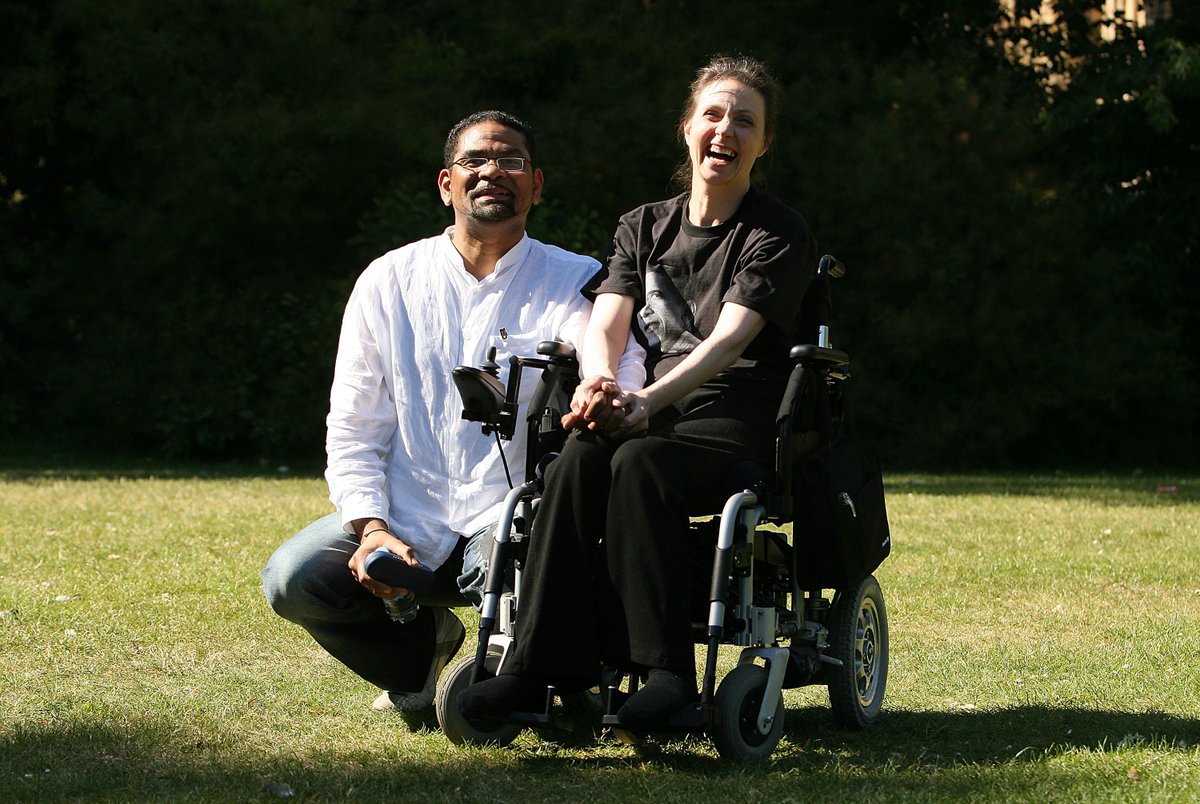
Researchers found that a
drug used to treat multiple sclerosis can also reverse some physical
disabilities the disease causes in patients. DAN KITWOOD/GETTY IMAGES
Vitality
Multiple Sclerosis Drug Alemtuzumab Can Reverse Some Physical Disability Caused By MS, Study Says
Oct 13, 2016 07:21 AM By
Researchers found
that a drug used to treat multiple sclerosis can also reverse some
physical disabilities the disease causes in patients. The drug
alemtuzumab is used to treat relapsing-remitting MS in which symptoms
alternate between rapid worsening and remission.
The study published Wednesday in the journal Neurology does not reveal how alemtuzumab reverses the damage caused by the chronic disease. The drug can cause serious side effects and is commonly used to treat patients who did not respond well to other drugs.
“While many MS drugs slow the progress of disability, there have been little data about the ability of current treatments to help restore function previously lost to MS,” co-author Gavin Giovannoni from Queen Mary University of London said in a statement.
An international team of researchers studied patients diagnosed with relapsing-remitting MS who did not respond well to other MS drugs. A group of 426 patients were treated with alemtuzumab and another group of 202 people with the drug interferon beta-1a.
Researchers examined the patients’ level of disability at the start of the study and again every three months for a period of two years. They found that at the end of two years, 28 percent of patients who took alemtuzumab improved by at least one point on the disability test with scores ranging from zero to 10. Only 15 percent of those who took interferon showed improvement.
Patients who took alemtuzumab were also 2.5 times more likely to show improvement in the assessment of thinking skills and twice as likely to improve in their ability to move without tremors when compared to those who took interferon.
Giovannoni added that further research is required to study the risks involved in using alemtuzumab. The risks include autoimmune problems and infusion reactions.
The study published Wednesday in the journal Neurology does not reveal how alemtuzumab reverses the damage caused by the chronic disease. The drug can cause serious side effects and is commonly used to treat patients who did not respond well to other drugs.
“While many MS drugs slow the progress of disability, there have been little data about the ability of current treatments to help restore function previously lost to MS,” co-author Gavin Giovannoni from Queen Mary University of London said in a statement.
An international team of researchers studied patients diagnosed with relapsing-remitting MS who did not respond well to other MS drugs. A group of 426 patients were treated with alemtuzumab and another group of 202 people with the drug interferon beta-1a.
Researchers examined the patients’ level of disability at the start of the study and again every three months for a period of two years. They found that at the end of two years, 28 percent of patients who took alemtuzumab improved by at least one point on the disability test with scores ranging from zero to 10. Only 15 percent of those who took interferon showed improvement.
Patients who took alemtuzumab were also 2.5 times more likely to show improvement in the assessment of thinking skills and twice as likely to improve in their ability to move without tremors when compared to those who took interferon.
Giovannoni added that further research is required to study the risks involved in using alemtuzumab. The risks include autoimmune problems and infusion reactions.
Tuesday, October 11, 2016
Issues with Memory

Monday, October 10, 2016
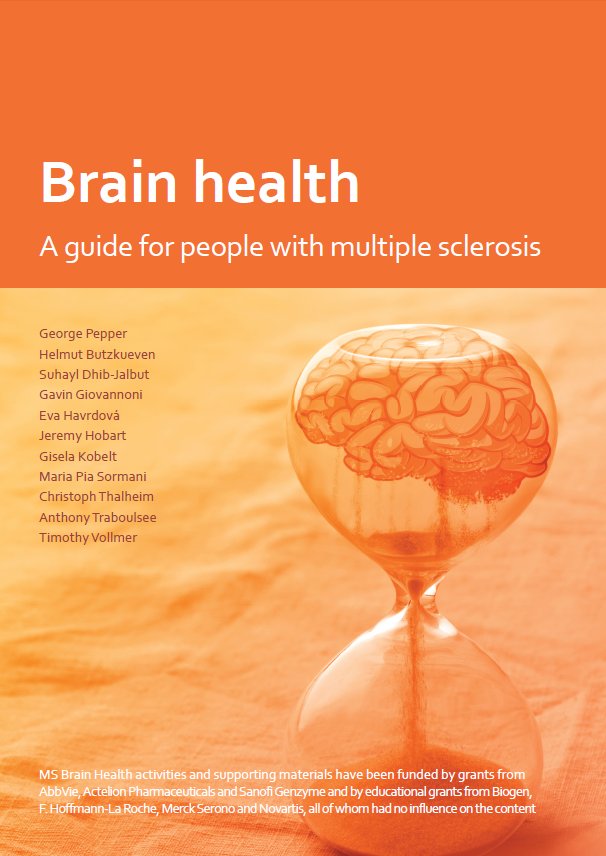
 MS Brain Health
Sunday, October 9, 2016
Replacing Myelin
Replacing Myelin Protects Neurons and Restores Function in Multiple Sclerosis: Mouse Study
Thursday, October 6, 2016
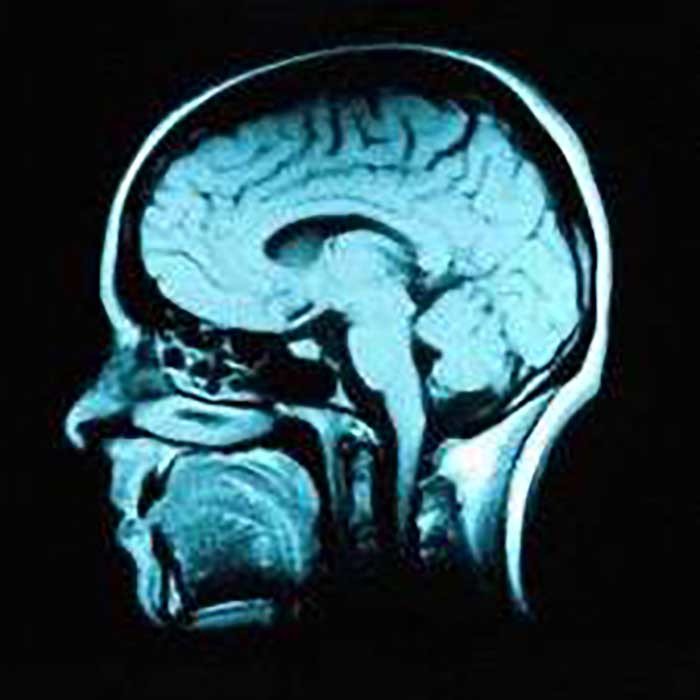
Monday, October 3, 2016
What Is Positive Psychology?
A Brief Overview of the Field of Positive Psychology
The scientific study of what goes right in life.- Christopher Peterson - 2006
Positive psychology is one of the newest branches of psychology. This particular area of psychology focuses on how to help human beings prosper and lead healthy, happy lives. While many other branches of psychology tend to focus on dysfunction and abnormal behavior, positive psychology is centered on helping people become happier.
Martin Seligman and Mihaly Csikszentmihalyi describe positive psychology in the following way:
“We believe that a psychology of positive human functioning will arise that achieves a scientific understanding and effective interventions to build thriving in individuals, families, and communities.” ... psychologists will learn how to build the qualities that help individuals and communities, not just to endure and survive, but also to flourish...
Over the last ten years or so, general interest in positive psychology has grown tremendously. Today, more and more people are searching for information on how they can become more fulfilled and achieve their full potential. Interest in the topic has also increased on college campuses. In 2006, Harvard’s course on positive psychology became the university’s most popular class. In order to understand the field of positive psychology, it is essential to start by learning more about its history, major theories and applications.
The History of Positive Psychology
“Before World War II, psychology had three distinct missions: curing mental illness, making the
lives of all people more productive and fulfilling, and identifying and nurturing high talent,” Seligman wrote in 2005. Shortly after WWII, the primary focus of psychology shifted to the first priority: treating abnormal behavior and mental illness. During the 1950s, humanist thinkers such as Carl Rogers, Erich Fromm, and Abraham Maslow helped renew interest in the other two areas by developing theories that focused on happiness and the positive aspects of human nature.
In 1998, Seligman was elected President of the American Psychological Association and positive psychology became the theme of his term. Today, Seligman is widely viewed as the father of contemporary positive psychology. In 2002, the first International Conference on Positive Psychology was held. In 2009, the first World Congress on Positive Psychology took place in Philadelphia and featured talks by Martin Seligman and Philip Zimbardo.
Important People in Positive Psychology
- Martin Seligman
- Mihaly Csikszentmihalyi
- Christopher Peterson
- Carol Dweck
- Daniel Gilbert
- Kennon Sheldon
- Albert Bandura
- C. R. Snyder
- Philip Zimbardo
Some of the major topics of interest in positive psychology include:
- Happiness
- Optimism and helplessness
- Mindfulness
- Flow
- Character strengths and virtues
- Hope
- Positive thinking
- Resilience
Some of the major findings of positive psychology include:
- People are generally happy.
- Money doesn’t necessarily buy well-being; but spending money on other people can make individuals happier.
- Some of the best ways to combat disappointments and setbacks include strong social relationships and character strengths.
- Work can be important to well-being, especially when people are able to engage in work that is purposeful and meaningful.
- While happiness is influenced by genetics, people can learn to be happier by developing optimism, gratitude, and altruism.
Positive psychology can have a range of real-world applications in areas including education, therapy, self-help, stress management, and workplace issues. Using strategies from positive psychology, teachers, coaches, therapists, and employers can motivate others and help individuals understand and develop their personal strengths.
Understanding Positive Psychology
In a 2008 article published by Psychology Today, the late Christopher Peterson, author of A Primer in Positive Psychology and professor at the University of Michigan, noted that it is essential to understand what positive psychology is as well as what it is not. “Positive psychology is … a call for psychological science and practice to be as concerned with strength as with weakness; as interested in building the best things in life as in repairing the worst; and as concerned with making the lives of normal people fulfilling as with healing pathology,” he writes.
He cautioned, however, that positive psychology does not involve ignoring the very real problems that people face and that other areas of psychology strive to treat. “The value of positive psychology is to complement and extend the problem-focused psychology that has been dominant for many decades,” he explained.
By Kendra Cherry Psychology Expert
ReferencesGable, S. & Haidt, J (2005). What (and Why) is Positive Psychology? Review of General Psychology, 9(2), 103–110
Goldberg, C. (2006). Harvard’s crowded course to happiness. Boston Globe. Found online at http://www.boston.com/news/local/articles/2006/03/10/harvards_crowded_course_to_happiness/
Peterson, C. (2006). A Primer in Positive Psychology. New York: Oxford University Press.
Peterson, C. (2008). What Is Positive Psychology, and What Is It Not? Psychology Today. Found online at http://www.psychologytoday.com/blog/the-good-life/200805/what-is-positive-psychology-and-what-is-it-not
Seligman, M. E. P. & Csikszenmihalyi, M. (2000). Positive psychology: An introduction. American Psychologist, 55, 5-14.
Snyder, C. R. & Lopez, S. J. (Eds.) (2005). Handbook of Positive Psychology. New York: Oxford University Press.
Sunday, October 2, 2016
Stem Cells and Tissue Regeneration
Uploaded on Feb 4, 2010
(October 6, 2009) Dr. Jill Helms, Associate Professor of Surgery at the Stanford
School of Medicine, discusses developments in stem cell research and
the future of regenerative medicine.
Stanford Mini Med School is a series arranged and directed by Stanford's School of Medicine, and
presented by the Stanford Continuing Studies program. Featuring more
than thirty distinguished, faculty, scientists and physicians from
Stanford's medical school, the series offers students a dynamic
introduction to the world of human biology, health and disease, and the
groundbreaking changes taking place in medical research and health care.
Stanford University
http://www.stanford.edu
Stanford Continuing Studies
http://continuingstudies.stanford.edu
Stanford University Channel on YouTube:
http://www.youtube.com/stanford
School of Medicine, discusses developments in stem cell research and
the future of regenerative medicine.
Stanford Mini Med School is a series arranged and directed by Stanford's School of Medicine, and
presented by the Stanford Continuing Studies program. Featuring more
than thirty distinguished, faculty, scientists and physicians from
Stanford's medical school, the series offers students a dynamic
introduction to the world of human biology, health and disease, and the
groundbreaking changes taking place in medical research and health care.
Stanford University
http://www.stanford.edu
Stanford Continuing Studies
http://continuingstudies.stanford.edu
Stanford University Channel on YouTube:
http://www.youtube.com/stanford
Subscribe to:
Posts (Atom)